Lisbon is one of Europe’s easiest cities to navigate, thanks to its compact layout and well-connected transport network. With the airport located close to the city and multiple transport options available, getting around is straightforward once you understand the basics.
Whether you are visiting for a short city break or a longer stay, choosing the right mix of transport can save time and make your trip far more comfortable. From metro connections to taxis, trams, and sightseeing buses, this guide covers everything you need to explore Lisbon with ease.
TABLE OF CONTENTS:
1). Lisbon Airport Transfer to City Center by Metro
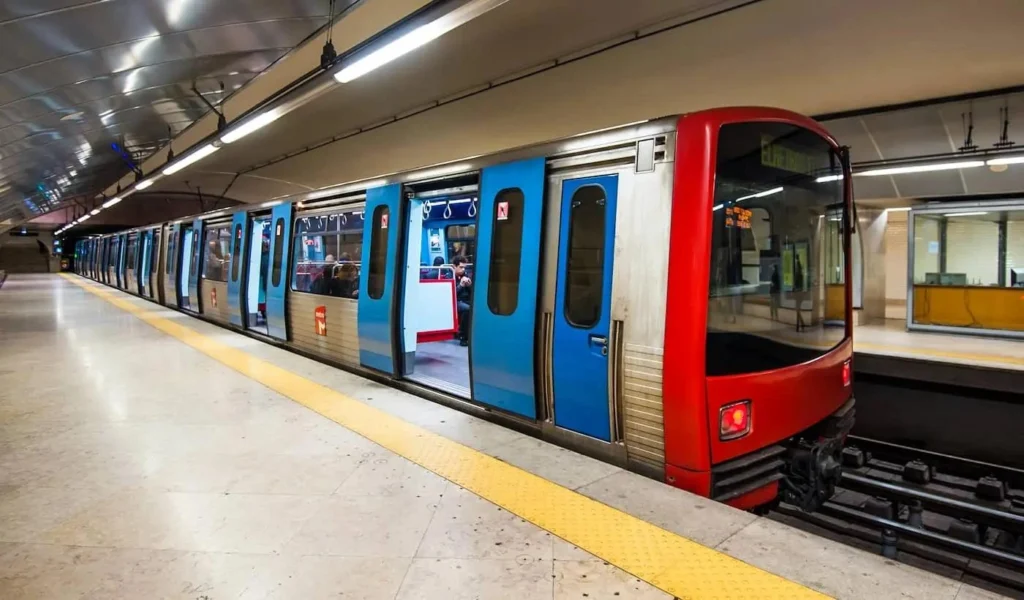
Lisbon Airport is directly connected to the city through the Metro system, making it one of the most efficient and budget-friendly ways to reach central areas. The airport station is on the Red Line (Linha Vermelha), located just outside the terminal.
From Aeroporto station, take the Red Line towards São Sebastião. To reach the main city center areas:
– Change at Alameda for the Green Line (Linha Verde) to reach Rossio and Baixa
– Continue to São Sebastião and switch to the Blue Line (Linha Azul) for Baixa-Chiado
The journey typically takes around 20 to 30 minutes depending on your destination. Trains run frequently throughout the day, making this a reliable option for most arrivals.
2). Taxi and Private Transfer from the Airport

Taxi and private transfers offer a direct and comfortable way to reach your hotel from Lisbon Airport. This option is especially useful if you are arriving late, traveling with luggage, or prefer a hassle-free door-to-door experience.
In Lisbon, ride-hailing is widely used and very reliable. Uber and Bolt are the most popular apps, offering competitive pricing and easy booking directly from your phone. Traditional taxis are also available, but apps usually provide a smoother experience with clear pricing.
3). Lisbon Public Transport System (Metro, Trams & Buses)

Lisbon’s public transport system includes metro lines, iconic trams, and buses, all working together to cover the city efficiently. The metro is best for longer distances, while trams and buses help you reach neighborhoods not directly connected by underground lines.
A rechargeable transport card is required to use the system and can be topped up with single journeys or 24-hour unlimited travel. This makes it a flexible and cost-effective option if you plan to move around frequently.
For added value, you can choose a city pass that includes unlimited public transport along with free or discounted entry to major attractions, making it a strong option for sightseeing-heavy itineraries.
4). Tram 28 Journey in Lisbon

Tram 28 is one of Lisbon’s most iconic experiences, running through historic neighborhoods like Alfama, Graça, Baixa, and Estrela. It offers a scenic ride through narrow streets and hills, giving you a unique perspective of the city without extensive walking.
Although it is part of the regular public transport system and can be used with a transport pass, it is also considered a must-do experience for visitors. It combines transport with sightseeing in a simple and memorable way.
To enjoy it comfortably, it is best to ride early in the morning or later in the evening when crowds are smaller. Boarding from less busy stops can also help you avoid long queues.
5). Hop-On Hop-Off Bus in Lisbon

The hop-on hop-off bus is a convenient way to explore Lisbon while covering transport between major attractions. These buses operate on multiple routes and allow unlimited boarding within the validity period, usually available in 24, 48, or 72-hour options.
The routes typically cover key areas such as Belém, Alfama, Baixa, and modern Lisbon, giving you a complete overview of the city. This is particularly helpful in Lisbon due to its hilly terrain, making it easier to explore without excessive walking.
6). Walking in Central Lisbon
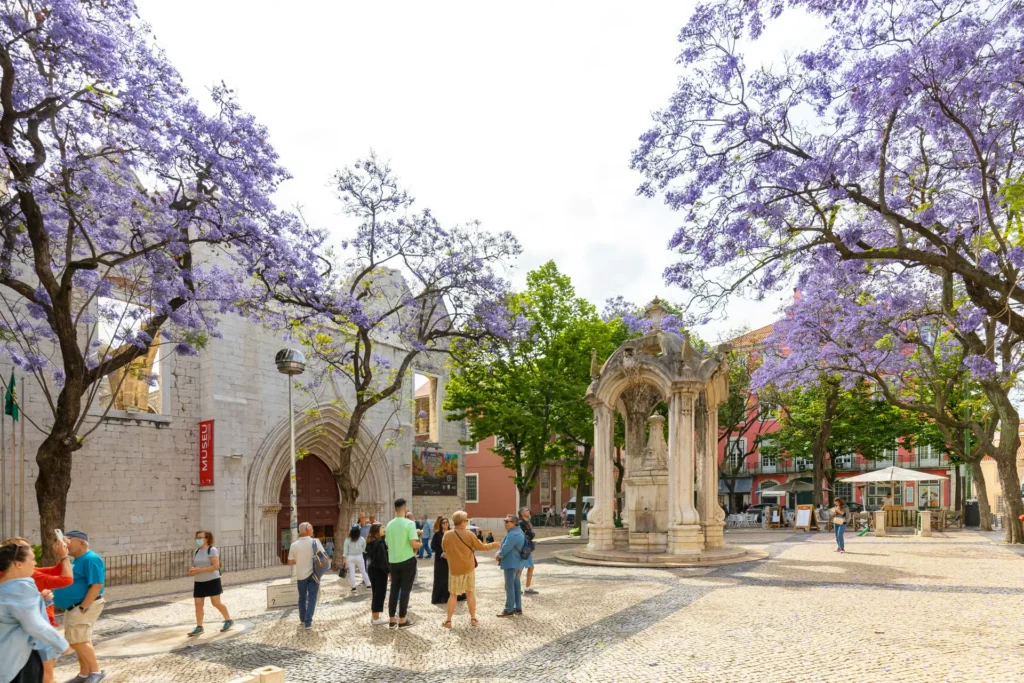
Lisbon’s central districts are best explored on foot, especially areas like Baixa, Chiado, Alfama, and the riverfront. These neighborhoods are filled with historic landmarks, viewpoints, cafés, and local streets that are best experienced at a slower pace.
Walking allows you to discover hidden spots and enjoy the city’s atmosphere more closely, though comfortable footwear is recommended due to the hills. Guided walking tours can further enhance the experience with local insights and stories.
Final Thoughts
Lisbon offers a well-balanced transport system that makes getting around easy and efficient. The metro is ideal for airport transfers, taxis and ride apps provide comfort, trams add local character, and walking helps you experience the city more deeply.
By choosing the right combination of transport options, you can make your Lisbon trip smoother, save time, and enjoy the city without unnecessary stress.